
-
 Bhumi International
Redefining Modern Interiors with Elegant Tile Designs and Textures
Introduction
Modern interiors are increasingly defined by thoughtful material selection, balanced colours and carefully planned surfaces. Tiles play an important role in creating spaces that feel elegant, welcoming and visually connected. From contemporary living rooms to sophisticated commercial environments, the right tile design can transform the overall atmosphere of an interior. With different collections, dimensions, patterns and surface finishes available, architects and homeowners have numerous possibilities for expressing their design preferences.
1. Create Elegant Living Spaces with Statement Tiles
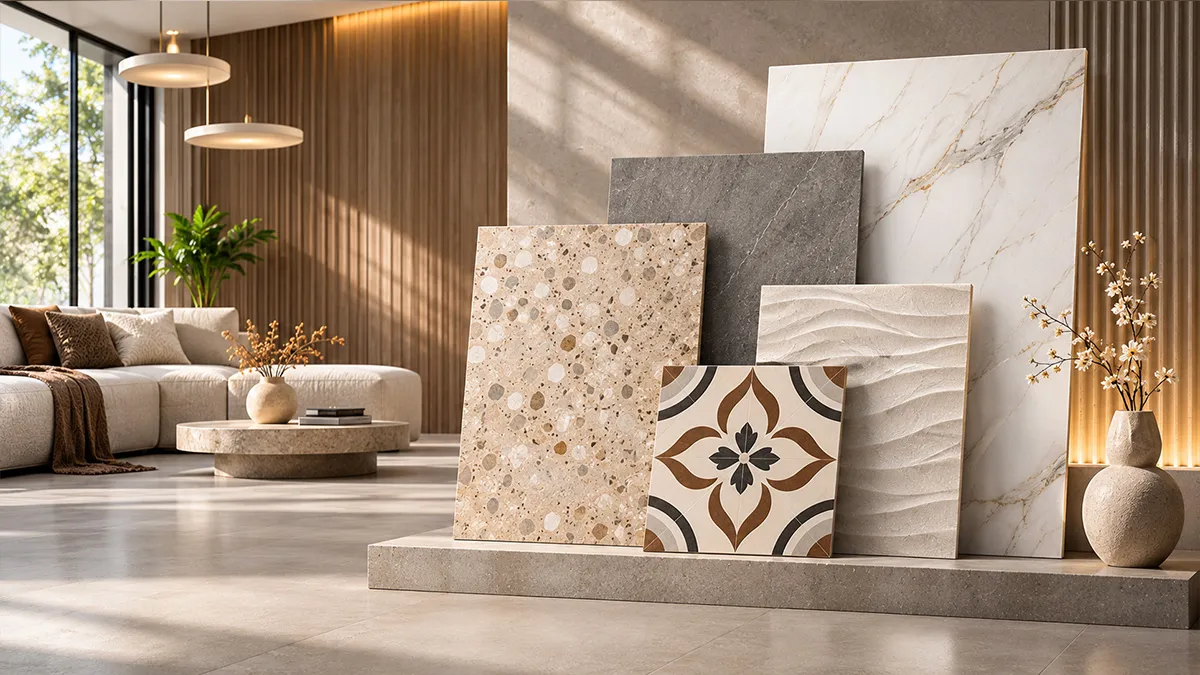
Living rooms are among the most important spaces in any home, often reflecting the personality and design preferences of its occupants. Large-format porcelain tiles, marble-inspired patterns and subtle stone textures can create a sophisticated foundation for contemporary interiors. Neutral shades such as white, beige, grey and warm earthy tones complement different furniture styles and decorative elements. Using coordinated floor and wall finishes can also establish visual continuity throughout an open-plan living area. Carefully selected tile patterns help create an elegant atmosphere without making the space feel visually crowded.
2. Bring Character to Walls with Digital and Decorative Tiles
Walls provide an opportunity to introduce colour, texture and individuality into interior design. Digital tiles offer detailed patterns and decorative possibilities that can enhance feature walls, kitchen backsplashes and selected interior areas. Moroccan tiles are another attractive option for introducing artistic patterns and distinctive visual character. Their decorative appeal can complement both traditional and contemporary design concepts. Subway tiles offer a different aesthetic, bringing clean lines and a timeless appearance to kitchens, bathrooms and other interior applications. Combining decorative surfaces with simpler surrounding materials helps maintain a balanced and harmonious design.
3. Use Large-Format Tiles for Spacious Interiors
Large-format tiles are popular in modern architecture because they can create a more continuous and spacious visual appearance. With fewer visible grout joints, they help establish clean lines and an uncluttered atmosphere. These tiles can be considered for living rooms, hotel interiors, commercial environments and selected wall applications, depending on product specifications. Full body and porcelain collections provide options for different design concepts and project requirements. Coordinating tile colours across adjoining spaces can also improve visual flow, making interiors feel more connected. Proper layout planning and professional installation remain important for achieving a refined final appearance.
4. Explore Textures and Finishes for Visual Depth
Surface textures and finishes can dramatically influence how a space looks and feels. Polished finishes reflect light and create an elegant appearance, while matte surfaces offer a softer and more understated character. Textured finishes can introduce depth and visual interest, particularly in areas where designers want to create contrast between different materials. Natural stone-inspired surfaces work beautifully with wooden furniture, metal accents and neutral colour palettes. For outdoor and roof applications, suitable product characteristics should be considered alongside design preferences. Choosing complementary finishes across different areas can create a consistent design language throughout a property.
5. Design Functional Outdoor and Commercial Spaces
Tile design is not limited to indoor environments. Outdoor areas, terraces, parking spaces and commercial projects also benefit from thoughtful material selection. Parking tiles can be considered for appropriate parking applications, while Cool Roof collections provide options for suitable roof environments. Commercial spaces such as hotels, offices and retail environments often require a balance between visual appeal, maintenance considerations and application-specific performance. Full Body, Porcelain and other suitable collections can help designers develop coordinated architectural concepts. Selecting products according to the environment, intended use and technical specifications helps achieve a more practical and visually cohesive result.
Conclusion
Modern tile design is about creating harmony between appearance, functionality and architectural purpose. The right combination of collections, sizes, textures and surface finishes can transform ordinary interiors into distinctive spaces. Bhumi International, a ceramic and porcelain tile manufacturer and exporter from Morbi, India, offers eight collections designed to support diverse architectural and interior design possibilities. Discover tile solutions that bring together thoughtful design and quality-focused manufacturing.