
-
 Bhumi International
A Complete Guide to Choosing Tiles for Modern Architectural Spaces
Introduction
Choosing the right tiles is an important part of creating beautiful, functional and long-lasting architectural spaces. Tiles influence the overall appearance of interiors and exteriors while contributing to durability, maintenance and everyday usability. With numerous designs, sizes, thicknesses and surface finishes available, selecting the right option requires careful consideration. Understanding these factors helps homeowners, architects, builders and designers make confident decisions for their projects.
1. Understand Your Space and Application Requirements
Every space has different requirements, making application one of the first considerations when selecting tiles. Living rooms, bedrooms, kitchens, bathrooms, commercial spaces and outdoor areas each demand suitable tile characteristics. Areas with frequent movement may benefit from durable surfaces, while decorative spaces can focus more on patterns, colours and visual appeal. Outdoor applications require additional attention to surface characteristics and environmental exposure. Understanding how a space will be used helps narrow down suitable tile collections and makes the selection process more effective.
2. Explore Different Tile Collections and Designs
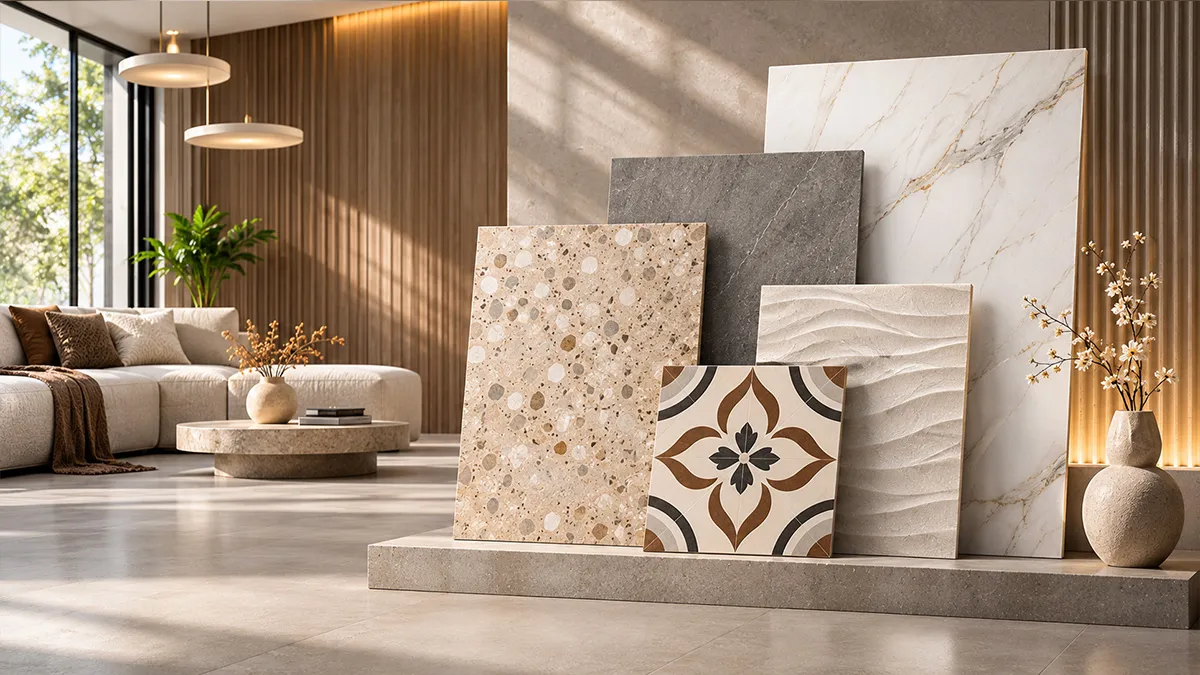
Tile collections offer different visual styles and functional possibilities for architectural projects. Parking tiles are suitable for designated parking and outdoor applications, while digital tiles provide opportunities for detailed patterns and contemporary designs. Porcelain and full body tiles offer versatile choices for modern residential and commercial environments. Ceramic tiles bring flexibility to interior applications, while subway tiles create distinctive looks for walls and decorative spaces. Moroccan tiles introduce artistic patterns, and Cool Roof tiles provide options for suitable roof applications. Exploring these collections helps identify products that complement the architectural concept and intended use.
3. Select the Right Tile Size and Thickness
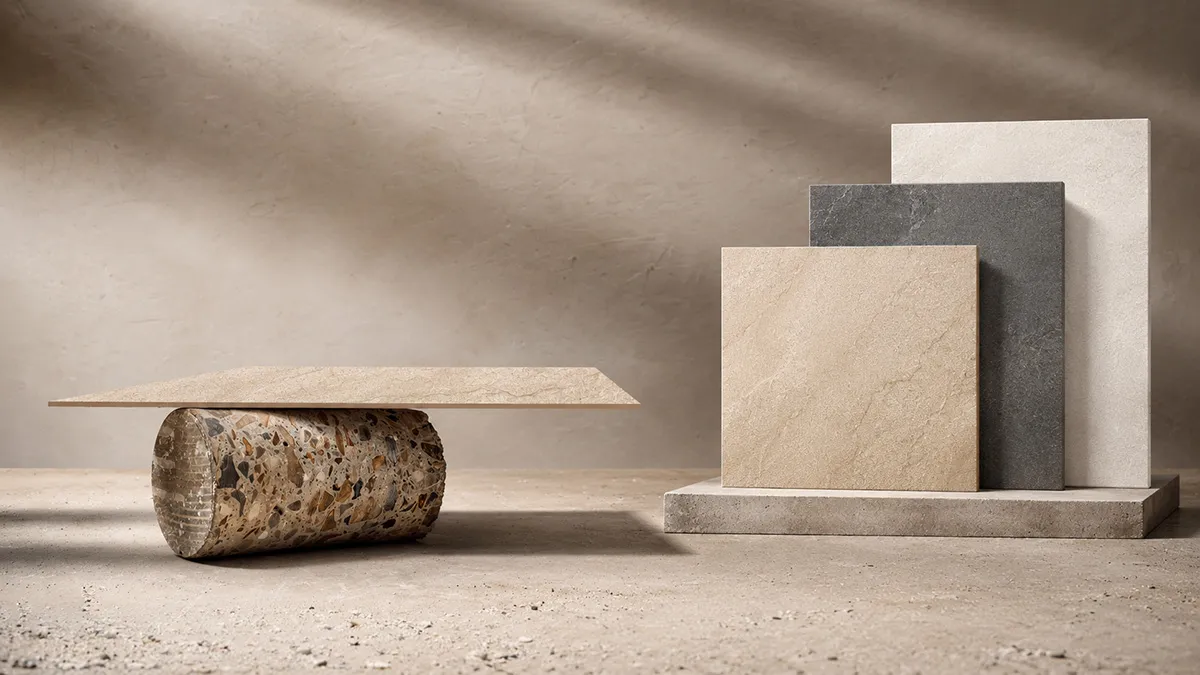
Tile dimensions play an important role in determining the visual character of a space. Large-format tiles can create a spacious appearance with fewer visible joints, while smaller formats offer greater flexibility for detailed layouts and specific applications. The right size depends on the available area, installation pattern and overall design requirements. Thickness is equally important because different applications may require different product specifications. Understanding the available dimensions and thickness options before purchasing helps ensure better planning, suitable product selection and smoother installation.
4. Choose Surface Finishes That Match Your Design
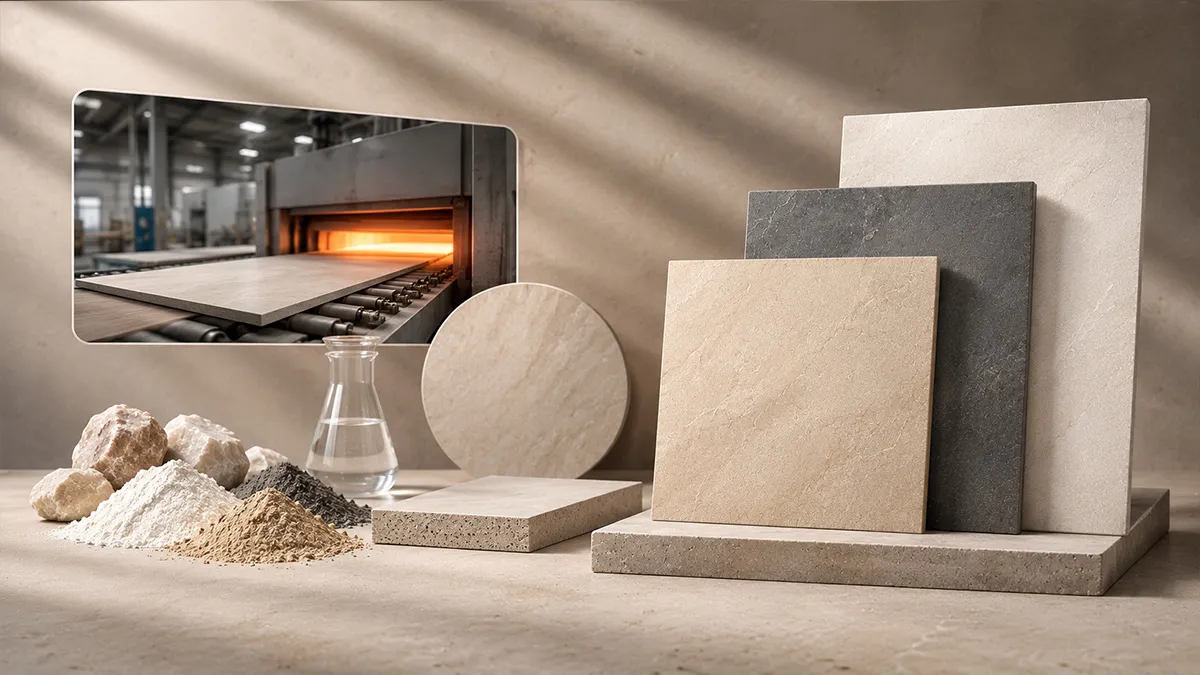
Surface finishes influence the appearance, texture and practical characteristics of tiles. Polished surfaces create a refined and elegant appearance, making them popular for contemporary interiors. Matte finishes offer a more understated look, while textured surfaces introduce depth and character. Natural stone-inspired finishes can bring an organic appearance to architectural spaces, while decorative patterns create distinctive design statements. The selection should consider lighting conditions, application requirements, maintenance preferences and the overall interior concept. A carefully selected finish can make a significant difference to the final appearance of any project.
5. Consider Quality, Packaging and Reliable Supply
Beyond appearance and specifications, product quality and supply reliability are important considerations when choosing tiles. Buyers should review available technical information, product specifications and relevant quality documentation before confirming an order. For larger projects and international requirements, packaging and transportation arrangements also deserve attention. Proper export-oriented packaging helps protect products during handling and transit. Working with an experienced manufacturer and exporter can make product coordination, collection selection and order planning more straightforward. Clear communication about sizes, finishes, quantities and delivery requirements also supports a smoother purchasing experience.
Conclusion
Choosing the right tiles involves balancing design preferences, application requirements, product specifications and quality considerations. By understanding collections, sizes, thicknesses and surfaces, buyers can select products that complement their architectural vision. Bhumi International, based in Morbi, India, manufactures and exports ceramic and porcelain tile collections for diverse residential, commercial and international project requirements.